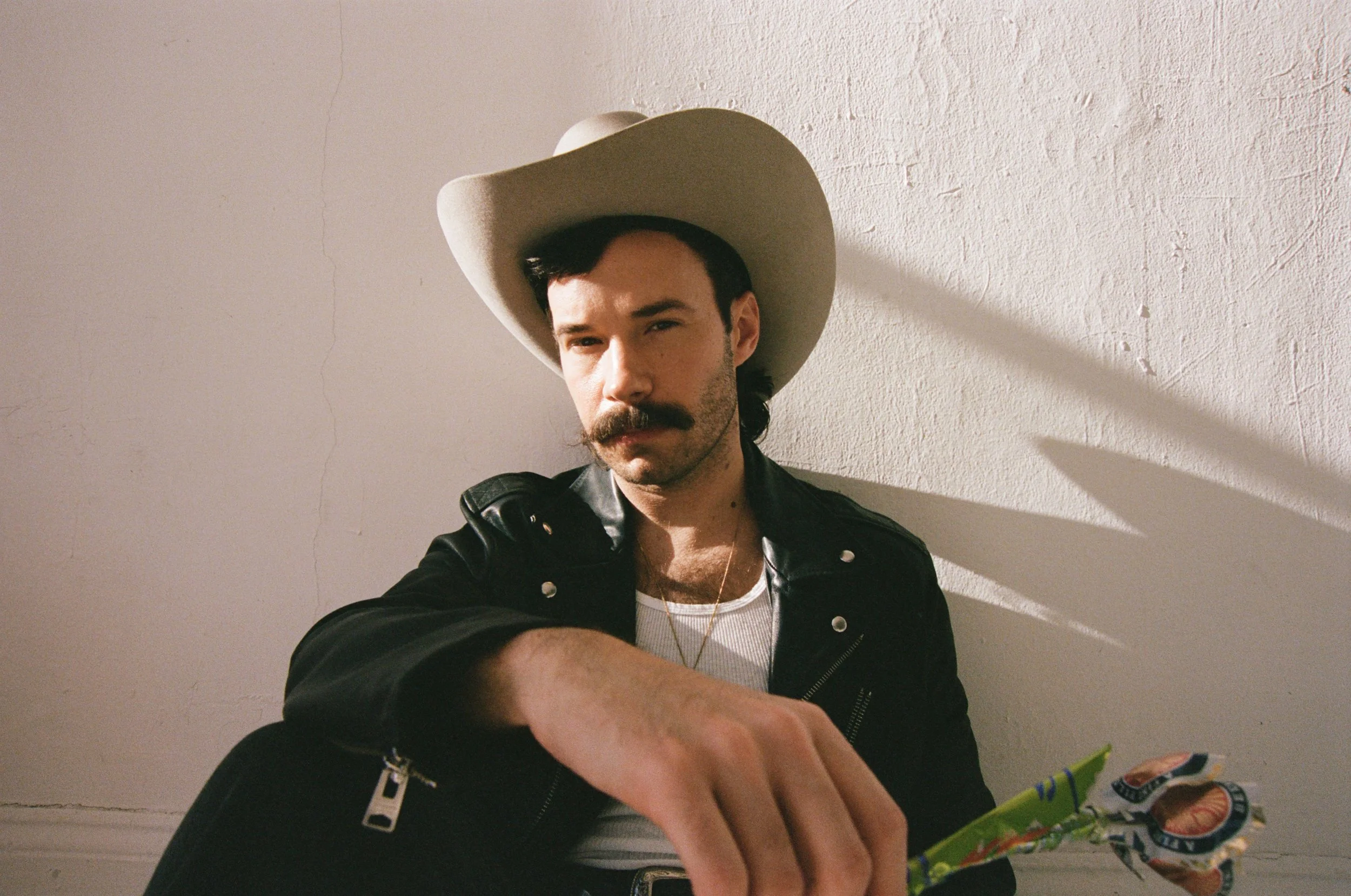
“For some reason I always picked the sad Patsy Cline songs.”
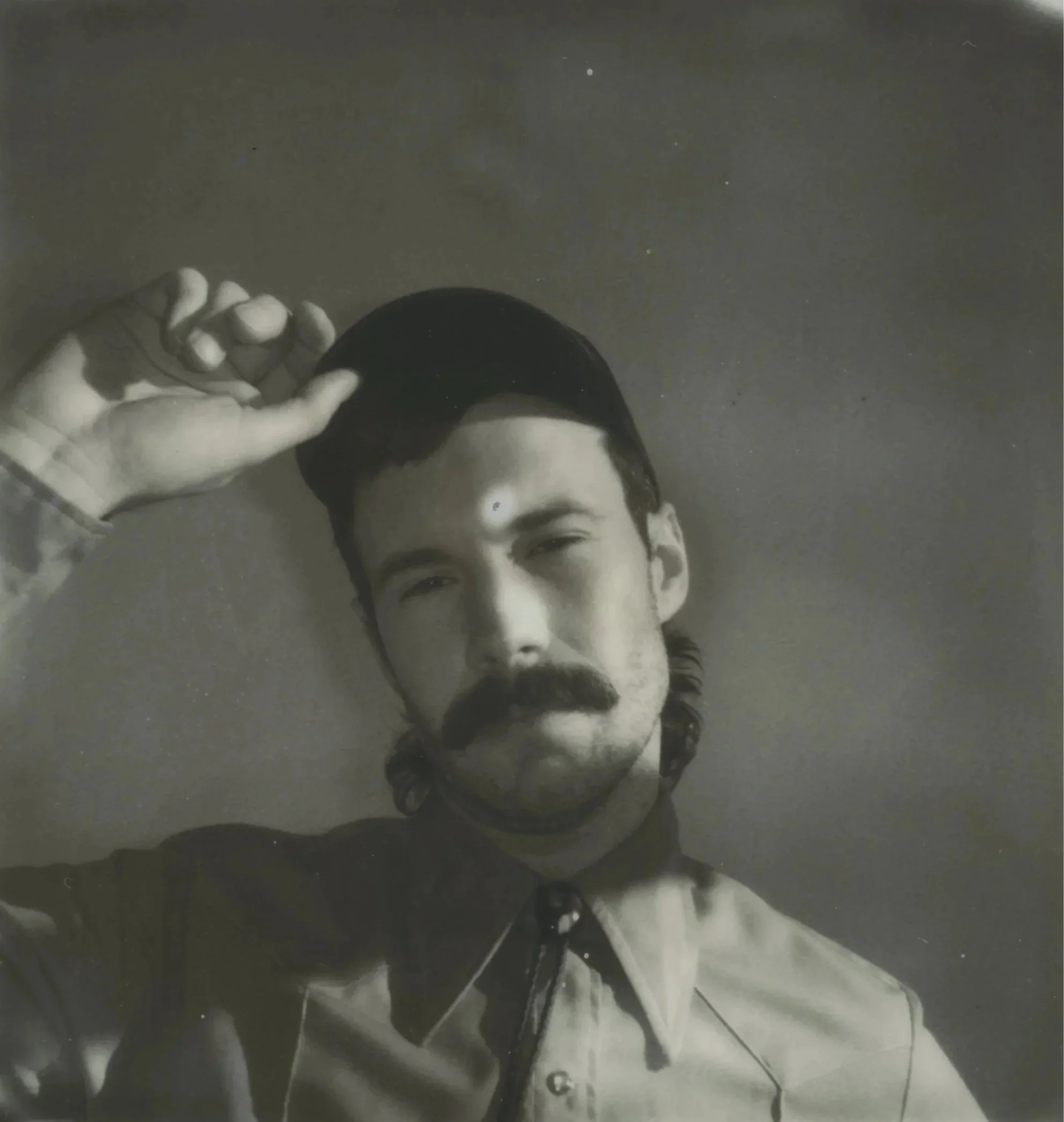
Andrew Sa
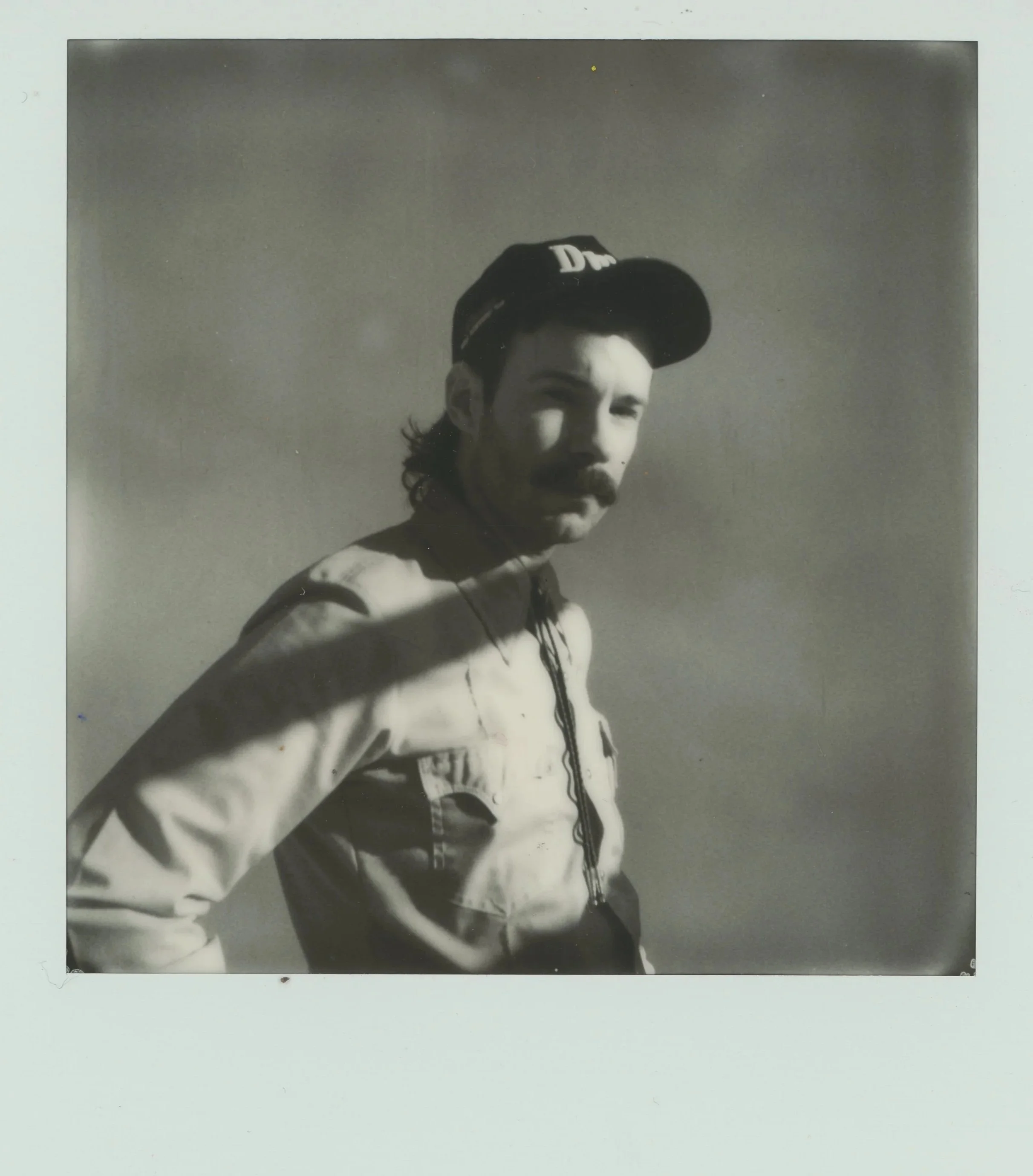
Andrew Sa’s earliest music memories are of sitting in cars. Crammed together with his siblings in the cab of his father’s ‘86 Ford F150 listening to the Eagles, Reba McEntire, and top-40 country hits, driving around Fremont, California. At home, occasionally, his dad would slide his old Gibson Les Paul out from under the bed, a secret relic from a past life as a touring musician, and play for them while they sang. Years later, after Sa’s mother remarried and started her own karaoke company, Sa suddenly found himself ushered onto stages as a 10-year-old and encouraged to warm up the crowd, a few hits already tucked under his belt. “For some reason I always picked the sad Patsy Cline songs,” an early sign of Sa’s penchant for aching country ballads that would eventually find its way onto American Rough, Sa’s debut album out on June 26 via Bloodshot Records.
While the spark was lit as a child, it took Sa some time to return to the call of classic country. His musical interests shifted to jazz as he became enthralled with the voices of Ella Fitzgerald, Frank Sinatra, Billie Holiday, and Nat King Cole – influences that continue to ring through his musicianship today. This was also an important moment in Sa’s life for his discovery of musicians like Rufus Wainwright, k.d. lang, and Elton John – openly queer musicians whose outspokenness felt like a doorway to a life of queer performance that Sa hadn’t seen or been able to envision before. “When I was a teenager, a friend gave me a copy of Rufus Wainwright’s Poses,” he recalls. “And for me it was a revelation. The romance, the beauty, the longing, the raw emotion – it’s so authentic. He gave me permission to dream.” A new future opened up.
A natural-born and intuitive performer, Sa went on to spend some time pursuing acting and theater in the Bay area before a short stint in Portland, Oregon. It was the alluring prospect of furthering his songwriting education through a class at the Old Town School of Folk Music that finally brought Sa to Chicago’s shore, and blew open the door to a new relationship to folk and country music. In the years that followed, Sa hit the ground running, stepping into a new spotlight. Between 2013 and 2016, Sa performed regularly at queer-focused acoustic showcases and met the collaborators that would come to shape his musical career in Chicago for the years to come: Liam Kazar and Sully Davis. It was Davis who first invited Sa to open for the legendary queer country band Lavender Country at The Hideout and also tapped him for the brilliantly campy music revue Cosmic Country Showcase, started by Davis and Dorian Gehring in 2018. It was largely through Cosmic Country that Sa became a sought-after voice in Chicago’s independent music scene, enveloping audiences with his signature, siren-like croon and delectable charm.
“I think about the long history that seems to be forgotten – of men crying in bars, listening to other men sing songs about their hearts.”
Sa’s ever-evolving relationships with his collaborators, the city of Chicago, and his own songwritership paved the way for this sparkling debut, American Rough, an intimate, aching, sweet-toned showcase of country-colored indie-folk songs. Longitudinal and poetic, American Rough is a cinematic portal into Sa’s relationships with men, the city, and his own pulsing heart. We’re led graciously from room to room, introduced to vulnerable characters navigating the complicated dance of masculinity as it’s brought to its most tenuous limits. Sa’s evocative poetry and hypnotic, sultry, lilt captivate and charm, held together throughout by producer H.C. McEntire’s pristine and resplendent musical production recalling Roy Orbison, Randy Newman, Waylon Jennings, and the Everly Brothers.
In 2021 Sa worked together with Kazar to develop some of the early ideas that would begin to shape American Rough. Shortly thereafter, Sa was introduced to producer and musician H.C. McEntire, and found himself completely enthralled with her songwriting and singing style. Sa felt she possessed a truly authentic country rasp, highlighted by her vulnerable, cathartic lyricism, and eventually asked her to be the lead producer on the album. Together, McEntire and Sa assembled a robust team of musicians to record with: Luke Norton (piano, guitar), Casey Toll (bass), TJ Maiani (drums), Spencer Tweedy (drums and percussion), Nick Broste (trombone), Hunter Diamond (saxophone), Ivan Pyzow (trumpet), Allyn Love (pedal steel), and Macie Stewart (violin). Most of the recording occurred at Fidelitorium in Kernersville, North Carolina, and additional recording took place at Fox Hall in Chicago. The team was rounded out with North Carolina-based producer and engineer Missy Thangs who co-produced, engineered and mixed the album. It isn’t lost on Sa the importance and impact of having two women as the lead producers and engineers on American Rough, an arrangement that is unfortunately rare to find in professional recording spaces. It’s clear to Sa that he wouldn’t have been able to make American Rough with the kind of honesty, openness, and vulnerability necessary to the music without McEntire’s and Missy Thang’s leadership and contributions.
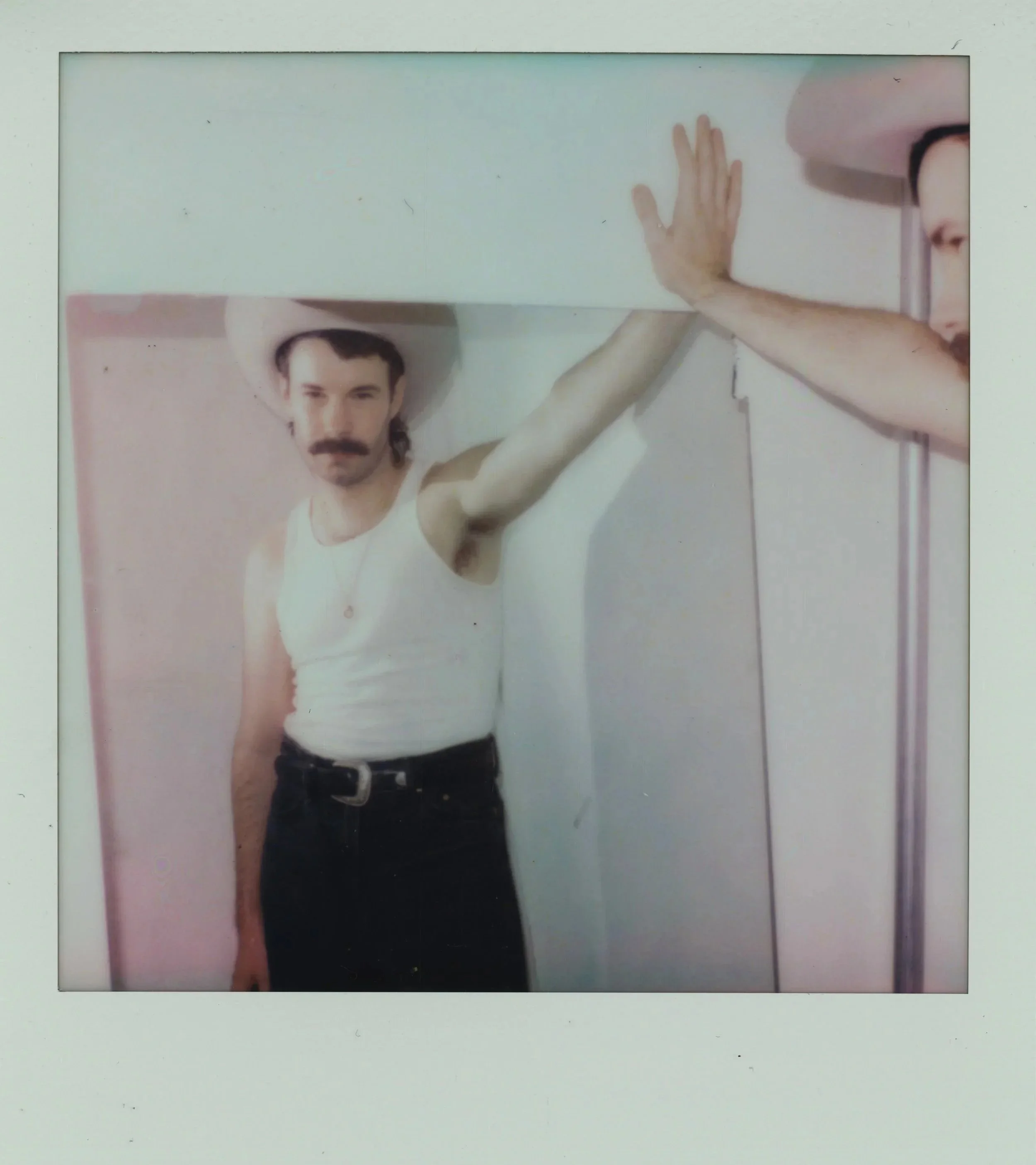
American Rough opens with the brooding, choral title track, introducing the magnetic and “mean handsome” figure of ultimate masculinity that Sa finds himself entangled in and devoted to throughout the rest of the album. Lead single “Lavender Cowboy” is a touching ode to Sa’s late friend and mentor Patrick Haggerty, who was a pioneer of gay country music with his band Lavender Country. While friends, Sa was also deeply inspired by Haggerty’s outspokenness, and viewed his own musical path as one that was bravely paved by Haggerty. “He would say oftentimes, ‘I'm the stepping stone for you to ascend’”, Sa remembers. Haggerty’s spirit is certainly woven through all of American Rough.
Tracks like “Under You”, written by Liam Kazar, and “Your Whisper”, are expressly tender, Sa’s voice gentle and easy as he chronicles the dizzying spell of love that he can’t seem to crawl out from. Singer-songwriter Rosali lends exceptional vocal harmonies to “Where It Lands”, an open-hearted recognition of the inevitability of love after cycles of uncertainty. On “Follow”, it’s easy to imagine the swinging guitar and shuffling drums played out in a woodpanelled auditorium, the floor filled with couples clinging to each other as they glide and two-step across the room. Macie Stewart’s violin oozes romance while Sa paints a picture of true and trustworthy love, “relentless and sure.” Album standout “You Turned Me On” saunters in with ambling upright bass before leaning into a playful, and sexy theatricality, buoyed by rhythmic electric guitar and a chorus of jaunty horns.
What Sa so gracefully and deliciously accomplishes here and across American Rough is a confident and shameless subversion of the heternormative tradition of mid-century country-pop and songbird soul – horniness is nothing new to these genres, but through the mirrored glint of gay male desire, Sa invites a reimagining of the kind of intimacy worth singing about. And it is an invitation – an outstretched hand to us, the listeners, letting us in on the secret. A whisper and wink. A cheeky peeling back of the curtain. Part of Sa’s hope in this ambitious debut is to tell a story of queer love that other people can see themselves in and not immediately deny because of its queerness. It’s not about watering the story down – American Rough’s queerness is courageously front and center – but about letting love, intimacy, and connection be seen at its very root, with beauty at the forefront. It’s there that real kinship and understanding forms.
In the world of American Rough, men hold each other close and sway along to the radio. Rugged voices coo, sunlight filters through half-opened windows, hard bodies find each other in the dark and soften, dreams linger, springs bloom taunts. By album closer “Fightin to be Fightin”, we feel the complicated weight of masculinity’s sour burden, but still trust in Sa’s vision of a gentler kind of manhood. “I think about the long history that seems to be forgotten – of men crying in bars, listening to other men sing songs about their hearts.” It’s this lineage that American Rough fondly tethers itself to. Here is Andrew Sa’s heart, gaping and wide. It’s okay, you can go ahead and cry.
~ by Tasha Viets-VanLear